
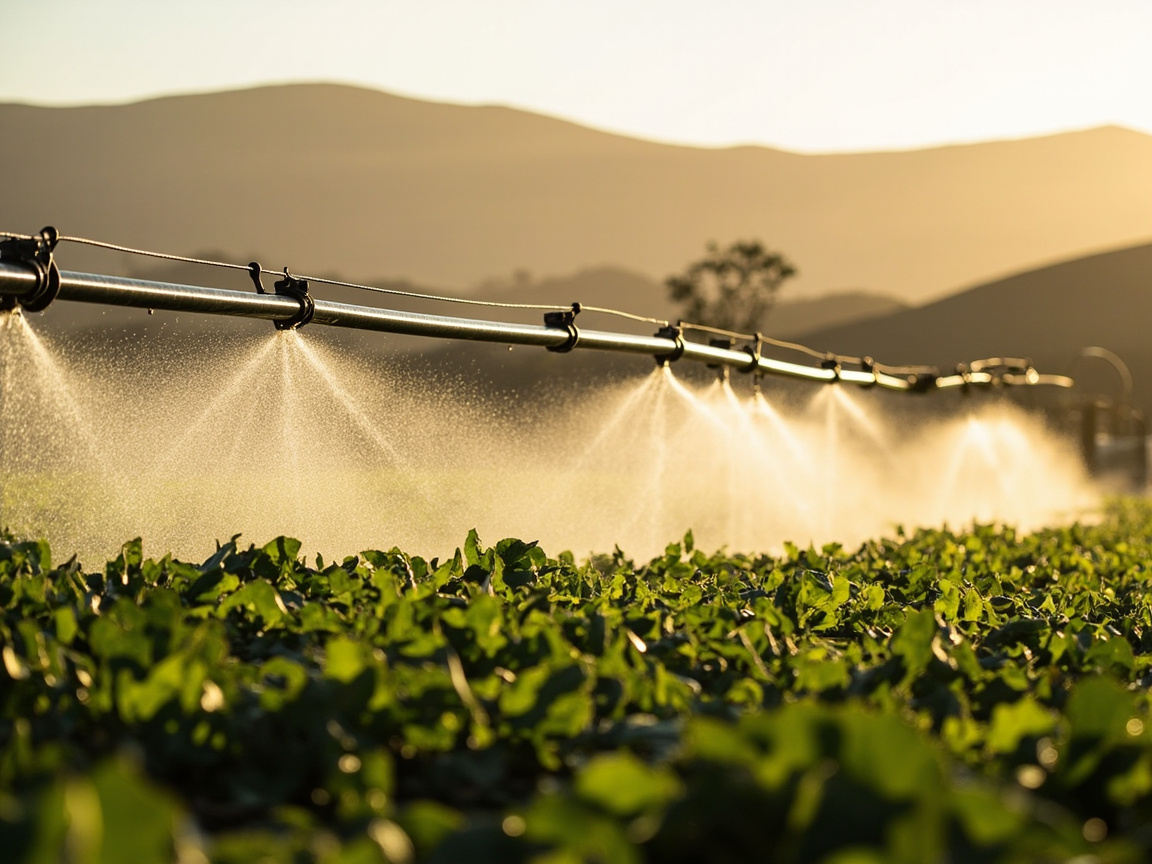
A farm irrigation checklist is most useful before water demand climbs and small faults become urgent. The aim is not to prove that a system is ready from one pressure reading or a quick drive past the irrigator. It is to understand the water available, the limits that apply, how evenly the system operates and what evidence will guide day-to-day decisions.
This guide sets out a practical sequence for New Zealand farms. It is general information, not a substitute for checking local council rules, consent conditions, crop needs, soil characteristics or advice for a particular design.
Start with the water and operating limits
Begin with the source rather than the irrigator. Record where water comes from, which storage is available and whether the operation is subject to take limits, rostering, seasonal restrictions or consent conditions. Note who checks those limits and where the current information is kept.
Environment Canterbury's pre-season advice recommends planning for restrictions before irrigation begins. The exact rules differ by region and property, so use the relevant regional council and the farm's own consent documents as the authority. A plan based on unrestricted supply can fail even when the equipment is working correctly.
Compare likely demand with the system's known operating window. Include pump capacity, available hours, zone sequence and any competing water uses. The purpose is to expose a constraint early, not to calculate a universal number. Soil, crop, climate, storage and infrastructure change the answer from one farm to another.
Inspect the system before demand rises
Run the system while there is still time to investigate faults. Check pumps, filters, valves, pressure gauges, hydrants, hoses, sprinklers, nozzles, end guns and control points that are part of the actual setup. Look for leaks, damaged components, blocked outlets and pressure or flow that differs from the expected range.
Do not treat a repair as complete until the affected zone has been operated again. A replaced nozzle, filter clean or pressure adjustment can change what happens elsewhere. Keep the check tied to observable operation rather than a visual inspection alone.
FAR's dry-season planning guidance also recommends maintaining equipment, understanding the irrigation system and training the people who operate it. A short pre-season run gives staff a chance to confirm start, stop, changeover and fault-response steps before the schedule becomes crowded.
Test how evenly water is applied
Water leaving the pump is not the same as water reaching the soil evenly. Pressure, nozzle condition, wind, travel speed, overlap and zone layout can all influence distribution. Check representative parts of the irrigated area, including locations that are easy to overlook.
A catch-can or bucket test can compare application across a selected run. Both Environment Canterbury and FAR recommend this kind of check as part of irrigation preparation. Use the results to identify variation and investigate the cause. One test is evidence about the conditions during that test; it does not establish future uniformity.
If nutrients are injected through the irrigation network, distribution matters twice. Uneven water can also mean uneven nutrient delivery. The separate guide to fertigation mixing and distribution control explains the additional checks around injection, EC, pH, filtration and flushing.
Schedule from soil, crop and weather evidence
A calendar date alone does not show whether irrigation should start. DairyNZ recommends considering soil moisture, soil temperature, weather forecasts, restrictions and system capacity when making scheduling decisions. Crop condition, root depth and the soil's water-holding characteristics also affect the useful trigger.
Soil moisture monitoring can show how conditions are moving between field capacity and a farm-specific refill point. The location and interpretation of sensors matter. A reading from one convenient spot may not represent a different soil, slope, crop or irrigation zone.
Use weather and evapotranspiration information as decision inputs, then compare them with field observations and system measurements. Keep enough capacity in view to understand whether the system can catch up if irrigation starts later. The right balance is site-specific; this checklist does not prescribe a universal start point.
Turn the checks into an operating record
A useful record is short enough to be maintained. It can include:
- the current water-source limit or restriction status;
- pump, flow and pressure observations for the main operating configurations;
- leaks, blockages or damaged parts found and what was done;
- the date and result of distribution checks;
- soil moisture locations, readings and the decision made;
- rainfall, forecast or evapotranspiration information used;
- zone run times and significant changes; and
- the person responsible for the next check or response.
Records help a team distinguish a deliberate change from a forgotten setting. They also make it easier to compare what the system was expected to do with what happened in the field. Keep units and names consistent, and record exceptions rather than relying on memory.
When a site-specific review is useful
General guidance reaches its limit when the source, storage, soil, crop and equipment need to be considered together. A review may be useful when distribution remains uneven, the system cannot recover within the available operating window, monitoring points disagree, repeated blockages or pressure changes occur, or the farm is considering a material change to layout or control.
EPE Greenery's public Solutions page covers water management and farm monitoring solutions. That scope does not replace engineering, agronomy, legal or regional-authority advice. A first discussion should begin with the existing layout, water source, consent or restriction information, measurements, maintenance history and the decision the farm is trying to make.
Common questions before summer
When should a farm irrigation system be checked?
Complete the main checks before the period of expected high demand, while there is time to run each operating configuration and investigate faults. Repeat relevant checks after repairs, layout changes or unusual performance. Routine in-season observation still matters because pressure, flow, restrictions, weather and field conditions can change.
Does every farm need the same soil moisture trigger?
No. A useful trigger depends on soil water-holding characteristics, crop or pasture needs, root depth, system capacity and the way monitoring points represent the irrigated area. Use site measurements and appropriate technical or agronomic advice rather than copying a single number from another property.
Does this checklist confirm consent compliance?
No. It is a preparation guide, not a compliance assessment. Check current regional council information and the farm's own consent conditions, records and reporting duties. Seek appropriate advice if the documents are unclear or if the proposed change could affect authorised water use.
If you are reviewing an existing setup, contact EPE Greenery with the system layout, known limits, recent measurements and the problem you want to solve. That gives the first conversation a practical starting point without assuming the answer in advance.